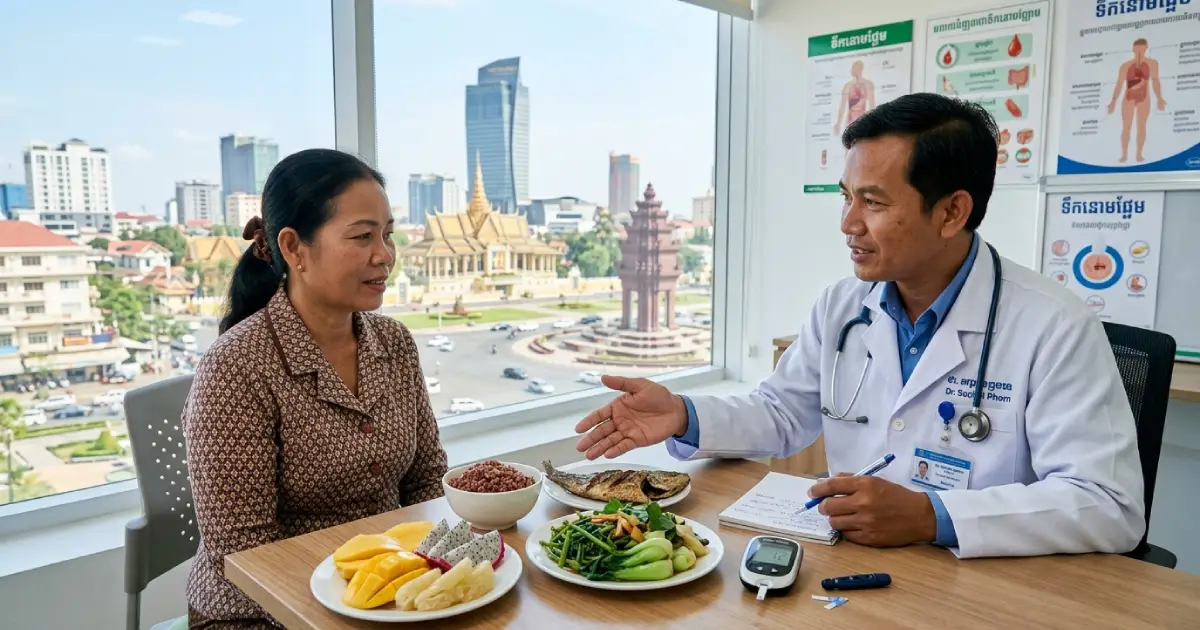
What to Know About Hypertension Medication in Cambodia
High blood pressure affects 1 in 3 Cambodian adults. Learn which medications are available in Cambodia, how to take them safely, and where to get MoH-verified medicines delivered to your door.
What Is Hypertension and Why Does It Matter in Cambodia?
High blood pressure — or hypertension — occurs when the force of blood against artery walls remains consistently too high. The World Health Organization defines it as a sustained reading of 140/90 mmHg or above. Over time, uncontrolled hypertension silently damages the heart, kidneys, brain, and eyes, making it one of the leading causes of stroke and heart attack worldwide.
In Cambodia, the burden is significant. National health surveys estimate that roughly one in three Cambodian adults lives with high blood pressure, yet awareness, treatment rates, and medication adherence remain low — particularly outside Phnom Penh. A busy lifestyle, high sodium intake from traditional sauces and preserved foods, limited access to regular check-ups, and the cost of long-term medication all contribute to the challenge.
The encouraging news is that hypertension is highly manageable. With the right medication, consistent monitoring, and lifestyle changes, most people can bring their blood pressure to a safe range and dramatically reduce their risk of life-threatening complications.
Stay updated on health & medicines in Cambodia
Join our community for health tips, medicine guides and more.
Types of Hypertension Medications Available in Cambodia
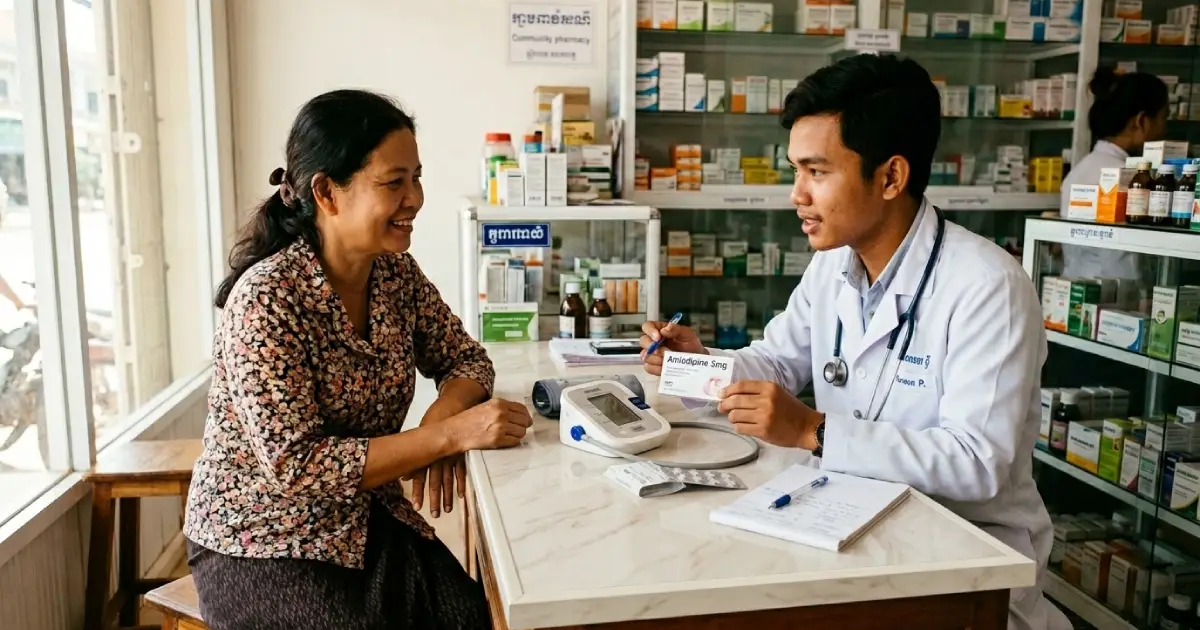
Cambodian pharmacies — including MoH-licensed outlets — typically stock several classes of antihypertensive medicines. Each class works through a different mechanism, and your doctor or pharmacist will choose the most appropriate one based on your blood pressure reading, other health conditions, age, and tolerance.
1. ACE Inhibitors
Common examples include enalapril, lisinopril, and perindopril. These medicines relax blood vessels by blocking an enzyme that causes vessels to narrow. They are widely available in Cambodia and are often prescribed as a first-line treatment, particularly for patients with diabetes or early kidney disease. A dry cough is the most common side effect — if this occurs, speak to your pharmacist or doctor about switching to an ARB.
2. Angiotensin Receptor Blockers (ARBs)
Losartan, valsartan, and telmisartan are ARBs that work similarly to ACE inhibitors but are less likely to cause a cough. They are a good alternative for patients who cannot tolerate ACE inhibitors and are available at most registered pharmacies in Phnom Penh.
3. Calcium Channel Blockers (CCBs)
Amlodipine is the most prescribed calcium channel blocker in Cambodia and is included on the national essential medicines list. It relaxes the muscular walls of arteries and is particularly effective in older patients or those of Southeast Asian descent. Ankle swelling is a potential side effect that should be reported to your healthcare provider.
4. Diuretics (Water Tablets)
Hydrochlorothiazide and furosemide help the kidneys remove excess sodium and water, lowering blood volume and pressure. They are inexpensive and commonly used as add-on therapy when a single medication is not enough. Patients should ensure adequate fluid intake and be aware that potassium levels may need monitoring.
5. Beta-Blockers
Atenolol, metoprolol, and bisoprolol slow the heart rate and reduce the force of the heart's contractions, lowering blood pressure. They are particularly recommended for patients who have experienced a heart attack or have heart failure alongside hypertension.
Important: Always Take Prescription Medication as Directed
Never self-prescribe or purchase antihypertensive medication without a doctor's consultation. Stopping medication abruptly can cause a dangerous rebound rise in blood pressure. If you experience side effects, speak to a pharmacist or doctor before making any changes to your regimen.
How to Take Hypertension Medication Safely
Consistency is the most important principle of hypertension management. Blood pressure medication works best when taken at the same time every day, even when you feel well. Many patients make the mistake of stopping their medication once readings improve — this is dangerous, as the medication is what is keeping readings in the safe range, not a cure.
The following practical steps will help you get the most from your medication:
- Take your medicine at the same time each day — many people find linking it to a routine (morning tea, breakfast, or brushing teeth) helps with adherence.
- Never skip a dose. If you miss one, take it as soon as you remember, unless it is nearly time for your next dose — in that case, skip the missed dose.
- Do not double up on doses to compensate for a missed one.
- Keep a stock of at least two weeks of medication so that you are never at risk of running out.
- Store medicines in a cool, dry place — Cambodia's heat and humidity can degrade certain medications if stored improperly.
- Attend regular follow-up appointments so your doctor can assess whether your current prescription is still optimal.
Lifestyle Changes That Support Your Medication
Medication alone is rarely enough. Doctors universally recommend combining antihypertensive treatment with lifestyle modifications that address the underlying drivers of high blood pressure. In the Cambodian context, the following are particularly relevant:
- Reduce sodium intake: Fish sauce, soy sauce, prohok (fermented fish paste), and instant noodles are staple ingredients in Cambodian cooking but are extremely high in sodium. Aim to use less sauce at the table and choose lower-sodium alternatives where available.
- Exercise regularly: Even 30 minutes of brisk walking five days a week can meaningfully lower blood pressure. Early morning walks along Sisowath Quay or in local parks are a popular and practical option for Phnom Penh residents.
- Limit alcohol: Excessive alcohol raises blood pressure and interferes with medication effectiveness. If you drink, keep it moderate.
- Quit smoking: Nicotine causes an immediate, temporary spike in blood pressure and accelerates artery damage over time.
- Manage stress: Chronic stress contributes to sustained elevated blood pressure. Practices such as meditation, adequate sleep, and social connection all play a role.
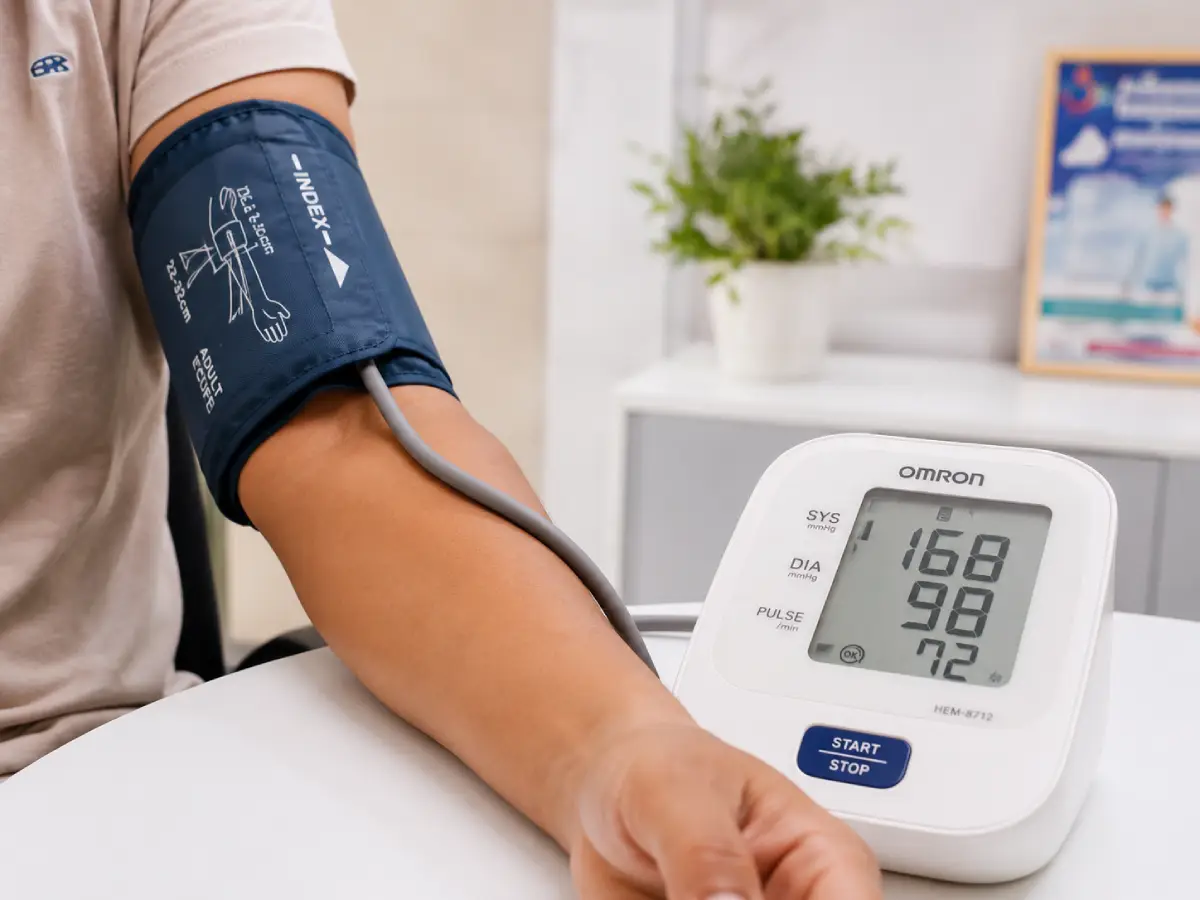
- Monitor at home: An affordable upper-arm blood pressure monitor allows you to track readings between appointments. Share your log with your doctor at each visit.
Where to Get Hypertension Medication in Cambodia
Antihypertensive medicines can be obtained from:
- Public hospitals and health centres: Government health facilities dispense essential medicines, often at subsidised prices or free of charge for eligible patients. Availability can be inconsistent outside major cities.
- Private pharmacies in Phnom Penh: A large number of registered private pharmacies in Phnom Penh stock the full range of antihypertensive medications. Quality and pricing vary — always purchase from pharmacies licensed by the Ministry of Health.
OSOTCAM partner pharmacies: OSOTCAM connects you with MoH-verified partner pharmacies and delivers your prescribed medication directly to your home in Phnom Penh. All partner pharmacies are vetted for licensing, storage standards, and medicine authenticity — giving you confidence that what you receive is genuine.
Why Verified Medicines Matter
Counterfeit and substandard medicines are a genuine risk in some parts of Southeast Asia. When you purchase hypertension medication through OSOTCAM's MoH-verified partner network, you can be confident that every product meets Cambodia's regulatory standards for safety and authenticity.
Frequently Asked Questions
Key Takeaways
✔ Hypertension affects approximately 1 in 3 Cambodian adults and is a leading risk factor for stroke and heart attack.
✔ Several classes of antihypertensive medication are available in Cambodia, including ACE inhibitors, ARBs, calcium channel blockers, diuretics, and beta-blockers.
✔ Always take your medication as prescribed — consistency is the key to effective blood pressure control.
✔ Never stop or change your medication without medical advice, even if your blood pressure readings improve.
✔ Lifestyle changes — including reducing sodium, exercising regularly, and managing stress — significantly enhance the effectiveness of medication.
✔ Purchase hypertension medication only from MoH-licensed pharmacies to ensure product safety and authenticity.
✔ OSOTCAM's MoH-verified pharmacy network offers home delivery of prescribed antihypertensive medicines across Phnom Penh.
This article is for general education purposes only and does not constitute medical advice. Always consult a qualified healthcare professional or pharmacist before making any health decisions.
Related articles